
Smart & Safe: Manuela Morale’s experience with students in Milan
In the Ital.IA Lab for School project, skills-based volunteering becomes a practical tool for introducing young people to the topics of digital security and artificial intelligence through the first-hand accounts of those who work in innovation every day. This is the case with Manuela Morale, Senior Corporate Sales Specialist for AI Workforce at Microsoft Italy, who has chosen to put her professional experience at the service of students, transforming technical skills and strategic vision into an opportunity for genuine dialogue with the younger generation.
Her account clearly highlights the educational value of these sessions: not only to help young people navigate the digital world more confidently, but also to demonstrate how technology can be explained in an accessible, responsible and real-life way. It is an experience that enriches both those who receive it and those who offer it, strengthening the bond between business, schools and the community.
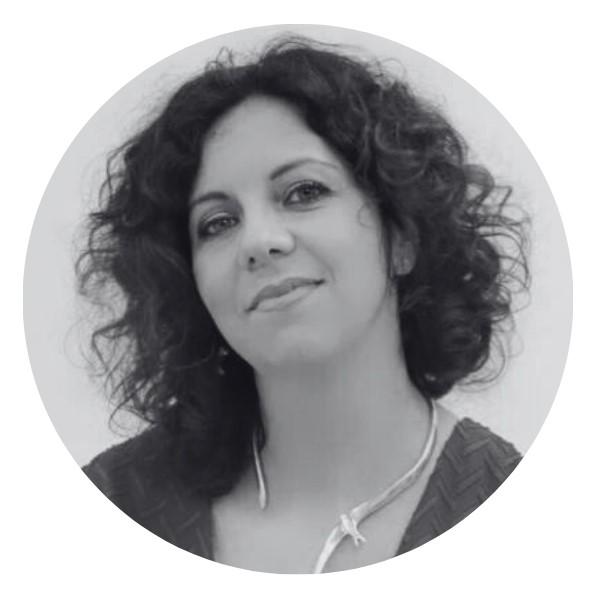
An engineer who has been with Microsoft for 21 years, Manuela Morale brings the group’s technology to organisations, driving the digital transformation of Italian businesses with a view to improving productivity, starting with individual employees whilst also extending the scope to business processes. “I work in the Sales sector; I spent my first ten years at Microsoft in the Enterprise division (which serves large clients), and subsequently, drawing on the experience I’d gained, I moved to the Corporate division (medium-sized businesses). By sharing the value of the Microsoft 365 Copilot platform, I advise organisations on how to achieve the competitive advantage that the guided introduction of AI can bring to the market. Always bearing in mind that a truly strategic approach always involves human in the loop”.
Her decision to volunteer her expertise for Smart&Safe stems from her belief in the value of sharing skills, especially when they can have a positive impact on the community. “Digital security is a central issue in our daily lives, and helping to raise awareness among young people seemed to me a practical way to give something back, by sharing what I do every day in my work,” he began. The training sessions took place at the ITS Pasolini and ITS Tenca schools in Milan, two very different classes: the former focused on the humanities and the latter on a more technical curriculum.
This difference was reflected in the students’ comments and questions. At Pasolini, the pupils were surprised by the wide-ranging nature of a career in cybersecurity, whilst at Tenca there was a great deal of curiosity about the type of career, opportunities for progression and the educational path required to work in a role like Manuela’s.
Furthermore, at Pasolini, the humanities teacher highlighted just how sensitive the psychological repercussions of cyber security breaches – as well as cyberbullying attacks – can be; these are interesting aspects to consider for future training sessions. “It was a very engaging and dynamic experience. The discussion was open, full of questions and sincere exchanges. The pupils were curious, engaged and keen to understand how to navigate the digital world more consciously. An atmosphere of trust quickly developed, making the session feel natural and stimulating for everyone.”
The young people demonstrated great attention and an ability to reflect on complex issues when given the right conditions: “They’re used to using technology every day, but that doesn’t mean they’re superficial: on the contrary, they show great interest when discussing the risks, responsibilities and opportunities associated with the digital world. One of the most widespread myths is that young people ‘already know everything’ simply because they’re digital natives. In reality, they are often very familiar with the tools, but less aware of the mechanisms behind security, data protection or the reliability of information. I wouldn’t say they overestimate their own skills, but rather that they rarely have structured opportunities to explore these aspects in depth. They put us to the test by comparing the different tools! Their parents had warned them not to share their location or travel plans, and not to share passwords.”
If there is one aspect that still needs attention, it is the tendency not to fully understand the impact that online life has on real life, which leads them to underestimate certain phenomena and to try to resolve situations on their own that would actually require adult support. “They understand all the issues well but still struggle to apply them to real life; they don’t realise that the internet has a memory and that what they post today remains online for years.”
As for the experience of skills-based volunteering, “it was one of my first times doing this, and it allowed me to look at my skills from a different, broader perspective, one focused on social impact. I rediscovered the importance of communicating even complex concepts in a simple and accessible way. This is a valuable insight for my day-to-day work too, where the ability to make digital topics understandable is essential. Experiences like this help us grow not only as professionals, but also as people. They offer the opportunity to step outside one’s routine and gauge the true value of the skills one possesses. They foster a greater awareness of the company’s social role and reinforce a culture based on responsibility and sharing. These are experiences that generate pride and a sense of belonging”.
“Knowing that the organisation supports and values initiatives of this kind makes people feel part of something bigger and helps to create a stronger bond with the company’s values. The organisation can learn to listen, adapt and recognise the human value of its people. It is an opportunity to grow as a responsible, open organisation that is attentive to the context in which it operates”.
 Interview by Onelia Onorati, press office of the Fondazione Mondo Digitale.


