
Smart & Safe with Ital.IA Lab for School. The contribution of Microsoft volunteers
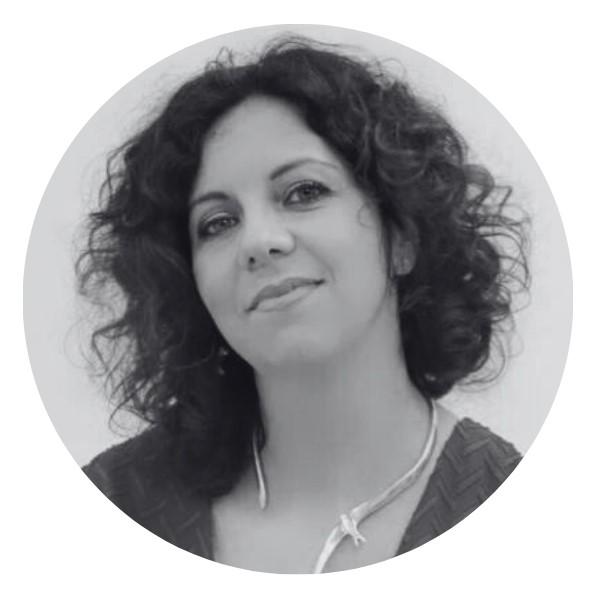
Patrizia Serini, AI Business Process Specialist at Microsoft, enthusiastically joined the Smart & Safe programme, which has made the expertise and skills of over 160 Microsoft professionals available to Italian secondary schools. During the sessions, each lasting an hour and a half, the young people took part in a workshop-style event, which began with the topic of cyber security before moving on to cross-cutting issues important for future career guidance and skills useful in everyday life. But beyond the knowledge gained by the students, the impact of the initiative was also felt within the organisation.
During the sessions held between April and May 2026, Patrizia was immediately enthusiastic about putting herself to the test with the programme: “I believe in the strategic value of digital citizenship and in the responsibility we have, as professionals in the sector, to contribute to the informed development of the younger generations. Today, cybersecurity is an enabling skill, no longer merely technical but fundamental for living and working safely. Bringing these issues into schools means making a tangible impact, transforming specialist skills into shared value for society”.
The test of interest among the 70 students at the Pier Paolo Pasolini high school in Milan was a success: “The students proved to be engaged, curious and far more attentive than one might expect. The dialogue was open: not a lecture, but a continuous exchange of questions, concrete examples and moments of discussion; this made the session not only informative but also stimulating for both sides”.
Being digital natives is certainly a privileged position when it comes to technology, but it does not shield students from missteps: “I found a generation that is very aware of the importance of technology in their lives, but not always fully conscious of the associated risks. They are digital natives, but this does not automatically mean they have in-depth expertise or a fully developed critical understanding of the tools they use daily. Their potential is enormous, especially when they are guided to develop a greater sense of digital responsibility”.
There are many myths to dispel: “Many young people associate familiarity with smartphones and social media with genuine technological competence, but they often lack awareness of security, privacy and data management issues. In some cases, I’ve sensed an overestimation of their own skills, but it’s understandable: no one has really taught them these aspects in a structured way. Our role is precisely to bridge this gap, providing practical examples and making the risks tangible.”
These sessions also provide interesting opportunities to meet role models: “Several students showed an interest in career opportunities related to cybersecurity. Many did not have a clear picture of the possible careers in this field, but after the session they began to see it as a concrete, stimulating path with great prospects. It was particularly interesting to see how recounting real-life cases and practical applications sparked curiosity and motivation.”
Patrizia is no stranger to volunteering in her field of expertise, but on this occasion she was able to appreciate how “working with young people helped to simplify complex concepts, communicate more effectively and make security-related messages more concrete. This ability is also extremely useful in my professional role, especially when I interact with non-technical stakeholders or senior management”.
“I believe it is very important for a professional to have opportunities to step outside the corporate environment and put their skills at the service of the community. These experiences allow us to broaden our perspective, develop empathy and strengthen our sense of purpose.
I think this experience brings value on both an individual and collective level: at an organisational level, it helps build a more inclusive, responsible and socially impactful culture; as an individual, it fosters the development of fundamental soft skills such as communication, leadership, listening and adaptability.
Putting one’s skills to work for a social cause changes the way one perceives one’s work: “It helps to rediscover its broader value, going beyond mere business objectives and linking it to a positive impact on society: this strengthens a sense of responsibility and professional pride. Furthermore, stepping outside the confines of the business world and entering schools also represents an important opportunity for Microsoft: it allows the company to make itself known to the younger generation, sharing values and skills, and to be perceived not merely as a technology firm, but as a player actively committed to the conscious growth of society.”
And again: “Taking part in skills-based volunteering initiatives increases a sense of belonging to the organisation, because there is a perceived alignment between one’s personal values and those of the company. This translates into greater motivation and engagement in one’s daily work. An organisation learns to take a broader view of itself: it realises that skills developed internally can have a tangible impact on society and that corporate value is not measured solely in economic terms, but also in terms of contribution to the community. Furthermore, these experiences bring new perspectives, ideas and sensibilities into the company that enrich the way we work and innovate.”
 Interview by Onelia Onorati, press office of the Fondazione Mondo Digitale.


