
At the Research Award ceremony, Paolo Dario highlights the value of Italian research: “The best measure is impact. The whole world wants you”
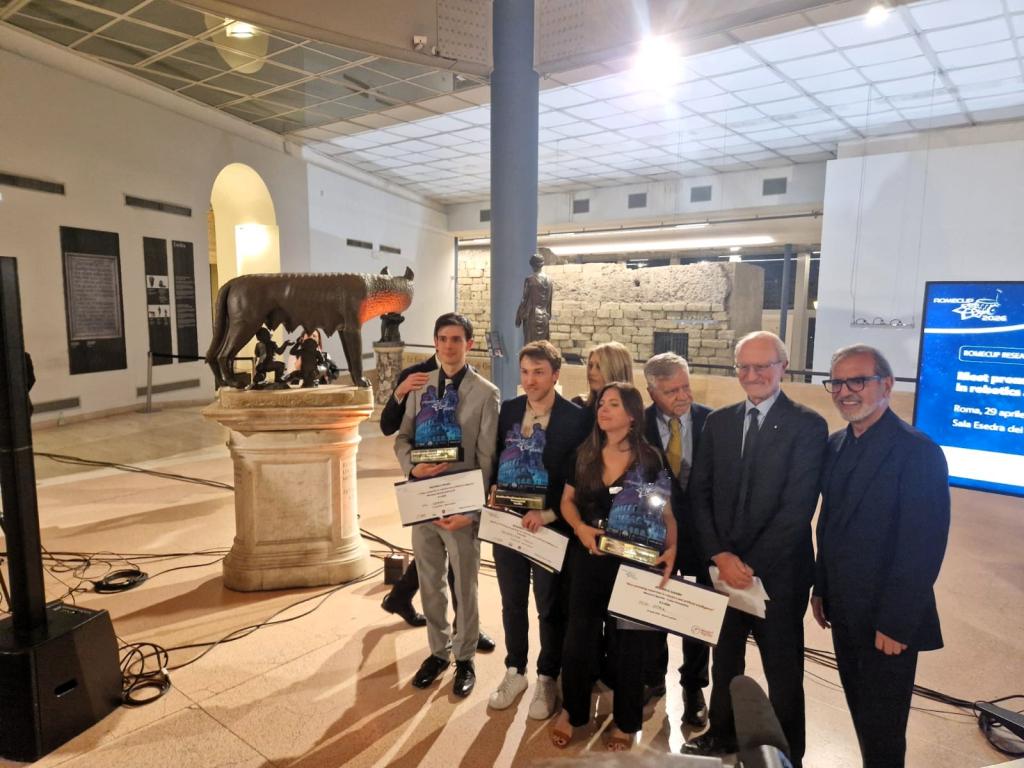
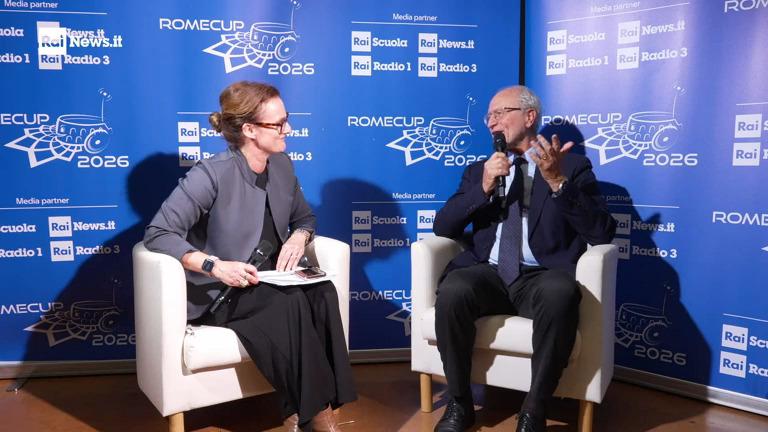
At the awards ceremony for the Most Promising Researcher in Robotics and Artificial Intelligence, organised as part of RomeCup 2026, Paolo Dario, professor emeritus of biomedical robotics at the Scuola Superiore Sant’Anna in Pisa, shared a passionate reflection on the value of Italian research and the responsibility to transform knowledge, talent and scientific discovery into development for the country.
Speaking to the award finalists – young researchers working in the fields of robotics and artificial intelligence – Dario highlighted how the quality of Italy’s educational and scientific system is recognised internationally. The applications received this year, he explained, confirm a reality well known to those who have long worked in this sector: research of the highest calibre is being carried out in Italy.
“Beyond indicators and rankings, the best measure is impact—that is, the fact that the whole world wants you,” said Paolo Dario, addressing the young candidates. “I constantly receive requests: do you have another one to send? The product that the Italian education system produces is exceptional.”
Alongside this recognition of excellence, his speech highlighted a structural weakness: the scant attention still paid to research and to the role of the university as a place not only for teaching, but for the production of new knowledge. Knowledge that can become discovery, invention, application and, ultimately, innovation capable of impacting people’s lives and the competitiveness of the production system.
For Dario, the real challenge lies in linking basic research, applied research and industry more effectively, closing that chain which in other countries is underpinned by greater strategic awareness. “This is how the modern world works,” he noted: from scientific discovery to technology, right through to industrial applications. And when this link is missing, there is a risk that talent trained in Italy will find the conditions to flourish elsewhere.
In his speech, Dario also highlighted the need to combine the ‘bottom-up’ approach – that is, researchers’ ability to build, experiment and advance new ideas – with a ‘top-down’ approach, comprising vision, policies, investment and support from the national system.
The final message is a call for trust and shared responsibility. To businesses and institutions, so that they recognise the value of young talent trained in Italy. To the new generations of researchers, so that they continue to forge paths of innovation even when the context does not immediately offer all the favourable conditions.
“This country must continue to have faith in our system, despite everything,” concluded Dario. “There is extraordinary talent here, trained right here. And if they don’t listen, we’ll carry on.”