
Bamboo: from maker craftsmanship to a sustainable revolution in construction
A bamboo drone capable of flying over 100 kilometres. The news comes from China and is making the rounds around the world, bringing an ancient material back to the forefront of the debate as it takes centre stage in technological innovation and sustainability [read the news on StartUp Italia A bamboo drone? It had to be Chinese. Not only does it fly, but it reaches 100 kilometres per hour]. Today, bamboo is increasingly referred to as ‘vegetable steel’ and cited as a strategic resource even for advanced applications, from engineering to infrastructure. But long before it entered the lexicon of the green economy, the Fondazione Mondo Digitale was already exploring it as a material for experimentation, learning and grassroots innovation, thanks to the work of makers and digital artisans.
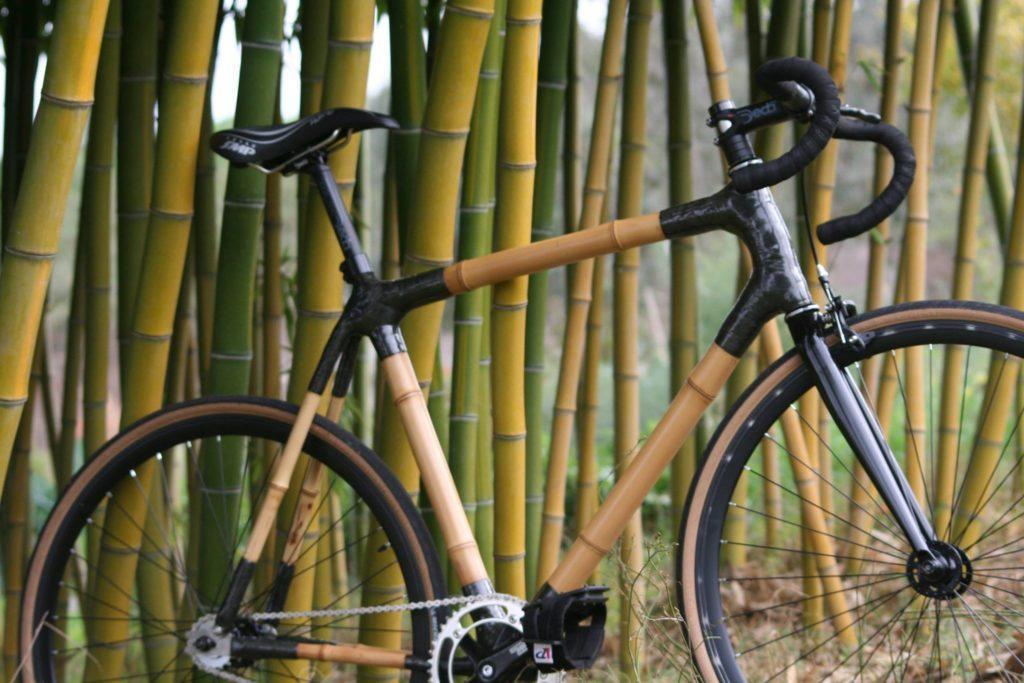
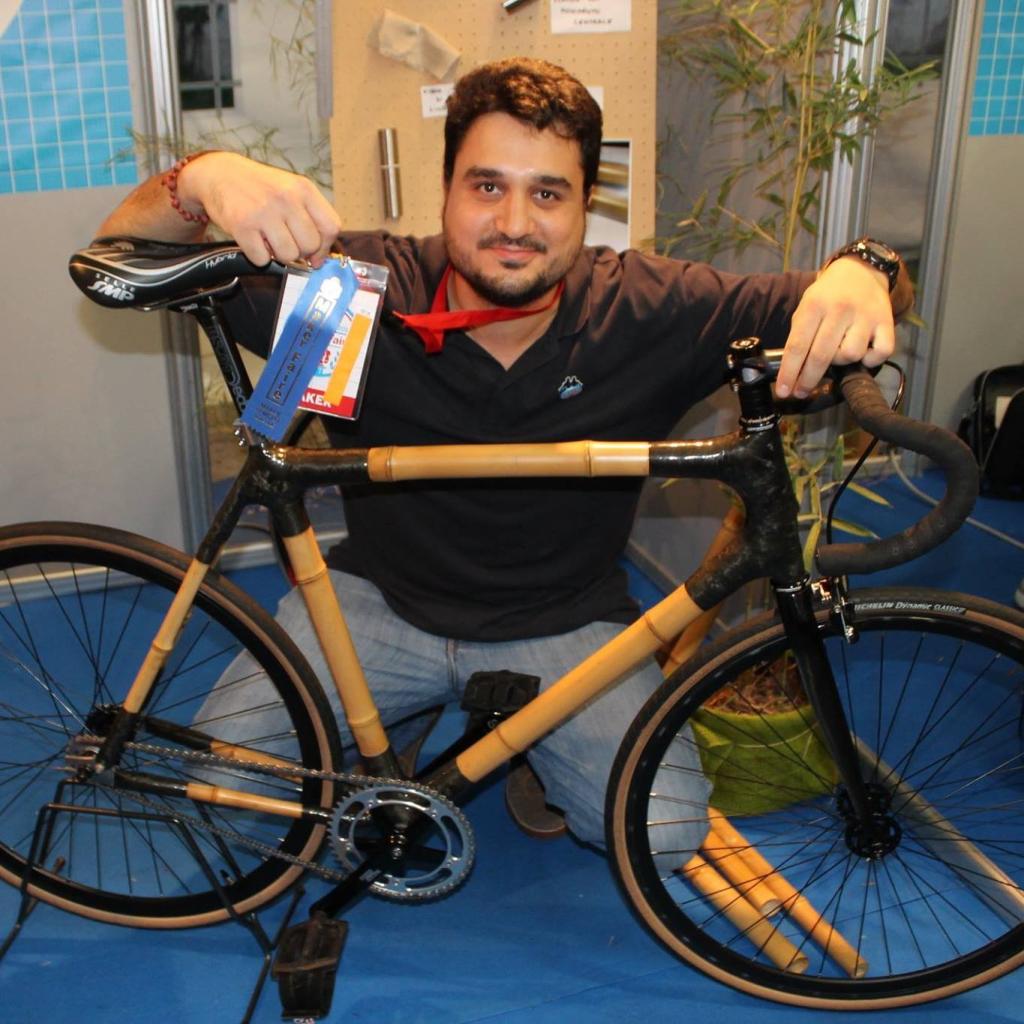
Among them is Guglielmo Lisi, who coordinated the fab lab at the Palestra dell'Innovazione from 2017 to 2020, carrying out practical research into the use of bamboo as a durable, sustainable and accessible material. Through the BambooBiciLab project, Guglielmo demonstrates how bamboo can form the basis for high-performance objects, such as bicycle frames, through advanced, replicable craft processes that are open to participation.
Workshops, laboratories and prototypes have transformed bamboo into an educational tool: not only for building, but for understanding the themes of sustainability, the circular economy and the relationship between materials, the environment and the community. An approach that perfectly embodies the Foundation’s method: experimenting on a small scale, sharing knowledge, building transferable models.
In 2016, with the Bamboo Bici Lab project, Guglielmo, then a civil engineering student and a maker by passion, won the prestigious Maker of Merit award, presented at Maker Faire.
An achievement that highlights a journey of experimentation with bamboo as a sustainable, high-performance material, capable of combining craftsmanship, innovation and a culture of making.
Re-examining the work of makers today in the light of the scientific and industrial debate on bamboo means recognising a profound continuity between pioneering practices and structural transformations. And this is precisely the purpose of the column 25 years ago, today: to revisit experiences that anticipated the issues of the present, showing how innovation can also emerge in laboratories, fab labs and educational programmes, long before it becomes mainstream.