
When our community met the ‘father of the Internet’
“All we have left is Wikipedia”... This is how the pages dedicated to the economy open in the latest issue of L’Espresso, on newsstands this week. The free encyclopaedia is also celebrating its 25th anniversary, and the weekly magazine traces its history with an interview with founder Jimmy Wales, recalling how Wikipedia has become one of the most extraordinary experiments in collaborative knowledge of our time.
Launched in 2001, Wikipedia has demonstrated that knowledge can be built collectively: millions of people around the world write, correct, verify and update entries that become a shared heritage. A model based on a resource that is both fragile and powerful: the trust between strangers who collaborate to build knowledge. As Jimmy Wales recalls, “Wikipedia is a model of shared control that still works, after 25 years”.
It is the same spirit that has guided many of the initiatives of the Fondazione Mondo Digitale over the years, committed to building open learning communities where students, teachers, citizens, craftspeople and innovators collaborate to develop skills and ideas.
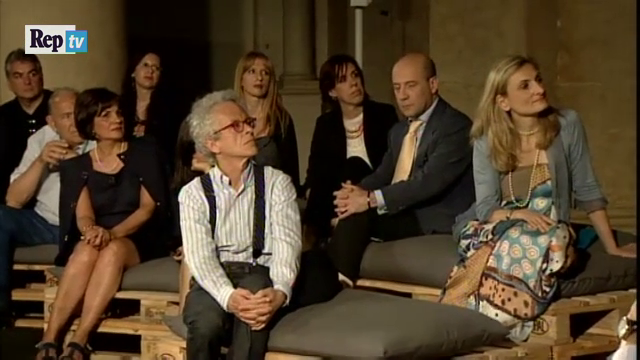
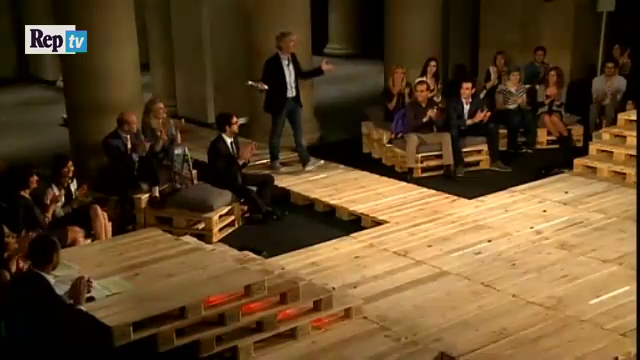
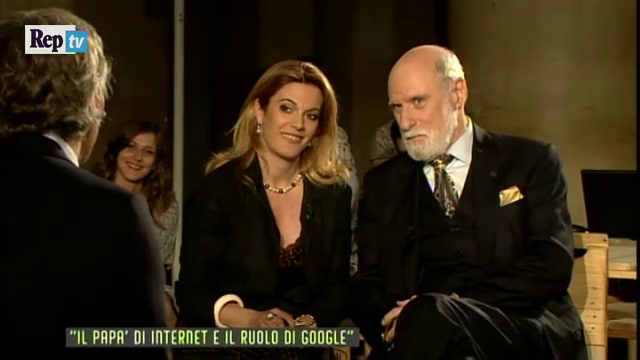
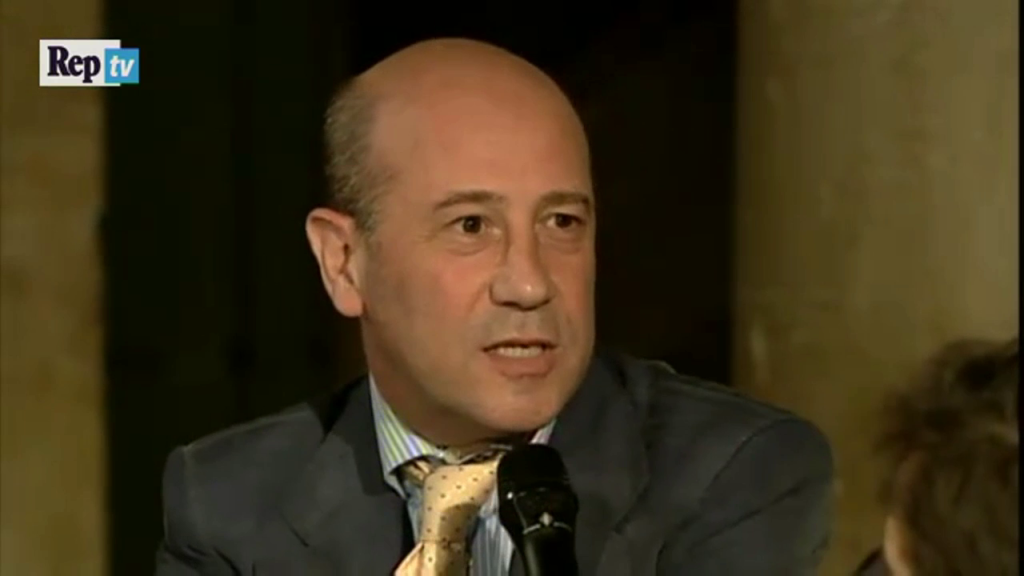
In 2015, a delegation from the Foundation’s community took part in the tenth episode of Innovation Game, the technology outreach programme organised by journalist Riccardo Luna as part of Repubblica Next. Among the guests at the event was Vint Cerf, one of the fathers of the Internet.
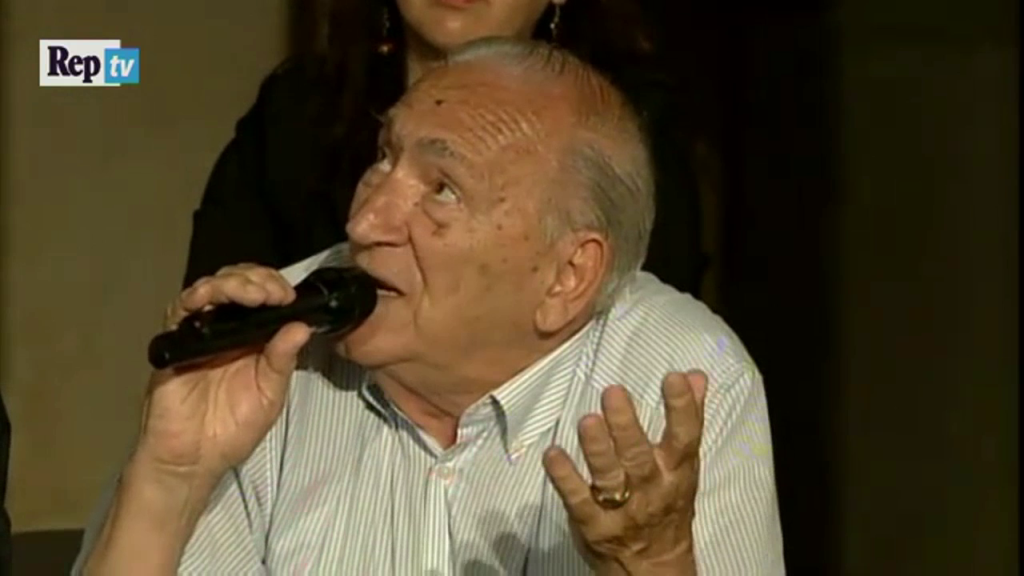
Some of the stories that bring the Foundation’s community to life also took to the stage. Such as that of Riccardo Pasquarelli, a senior citizen knowledge volunteer, dedicated to teaching older people—who are often excluded from the digital world—how to use computers. Or that of Marco Borghetti, a craftsman who has explored the intersection of traditional craftsmanship and digital manufacturing, using 3D printers and laser cutters to reinvent his craft.
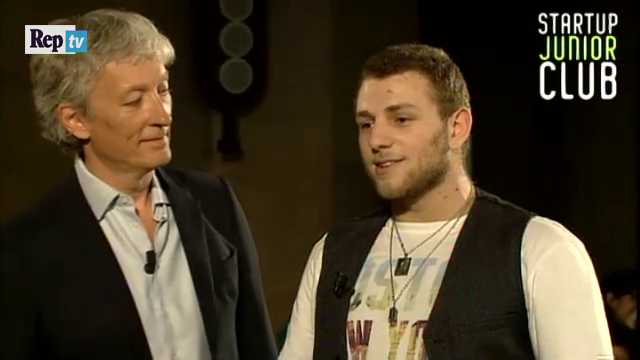
Among the young protagonists was also Riccardo D’Aquino, a student at the Pacinotti-Archimede Institute in Rome and a long-standing trainer on the Foundation’s projects. With his team, he had developed Digital Remote Engine, a system based on barcode scanners capable of automatically transferring a shopping list to a smartphone, simplifying the shopping experience. The project originated in the school’s robotics and electrical engineering laboratories.
Different stories, united by a common idea: innovation is not just technology, but community, collaboration and continuous learning.
During the meeting, the scientific director Alfonso Molina shared precisely this vision: an educational ecosystem that brings together schools, citizens, businesses and innovation labs to develop what he defines as “Education for Life”, consisting not only of subject-specific knowledge but also of the skills needed to tackle change.
In his conversation with the young people present, Vint Cerf left a simple yet powerful message: “The internet is waiting for young people’s ideas”.
Twenty-five years after the birth of Wikipedia, that phrase still resonates strongly. The internet can make the sharing of knowledge on a global scale possible. But it is always the communities of people that give it meaning and value.